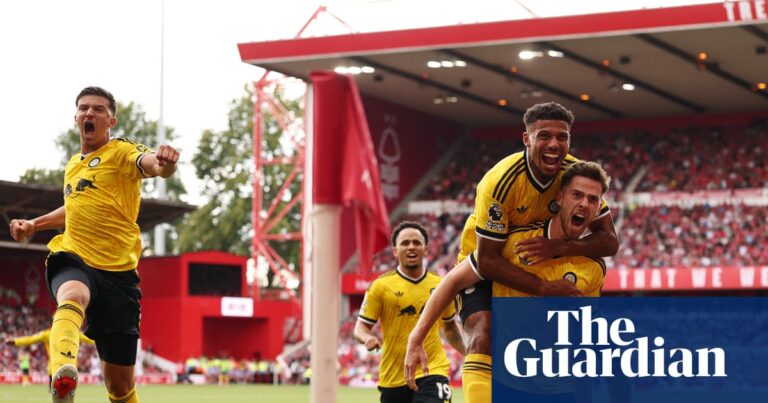
The Largie Ramazani Leeds United story is over. On the final day of the summer window, the Whites confirmed that the winger had joined Burnley on a season-long loan that is set to become a permanent transfer next summer — a deal that, as reported by the Yorkshire Evening Post, will earn Leeds £6.5m up front with a further £2m available in add-ons. Two years after arriving at Elland Road as a £10m punt on raw pace, Ramazani leaves having barely been seen since Leeds returned to the Premier League.
It is a clean, sensible piece of business and a slightly sad one. Ramazani was one of the more exciting names of the 2024 summer, a player who looked like he might terrify Championship full-backs for fun. He did that, for a while. Then the picture changed around him, and by the time Daniel Farke was picking a top-flight squad, the Belgian had drifted so far from the plan that he was not being named in matchday squads at all.
What Leeds have agreed with Burnley
The structure is the important part. Ramazani, 25, has gone to Turf Moor on loan for the whole of 2026/27, and the move converts into a permanent one next summer once he makes what the YEP describes as an achievable number of appearances for the Clarets. Burnley will pay £6.5m for him, rising to £8.5m with add-ons.
In other words, this is not a loan with a get-out. Barring something strange, Ramazani has played his last game for Leeds United. The appearance trigger protects Burnley if he is injured for a year and protects Leeds from a season-long loan that ends with the player walking back through the door with 12 months left on his contract and no market for him. Both clubs have taken the version of the deal that removes the awkward ending.
How the Largie Ramazani Leeds United spell unravelled
It started well enough. Leeds signed Ramazani from Almería for £10m in August 2024 and he made 29 league appearances as Farke’s side won the Championship title and went up as champions. He was not a guaranteed starter even then — more a change of tempo from the bench, the man you brought on when a stubborn defence needed to be run at rather than passed around. On his day, that was a genuinely useful thing to have.
The problem was that his day came around less and less. Game time thinned out, and last season he spent the campaign on loan at Valencia rather than in the Premier League squad. When he came back to Elland Road this summer, he was not involved. No squad numbers row, no public falling-out, just a quiet slide down the list until the only sensible outcome was a move.
Plenty of £10m signings have gone worse. Ramazani has a promotion medal, and Leeds have recouped the majority of the fee they paid for a player who had become surplus. That is a better outcome than the club has managed with several of its recent squad-filling buys.
The money, and why the structure matters
Take the numbers at face value and Leeds will bank £6.5m now with the potential for £8.5m in total. Against a £10m outlay across two seasons that is close to a break-even, and for accounting purposes the club will book a modest loss on the book value rather than a headline write-off. In a summer where the YEP counted 21 departures against six new signings, that kind of tidy recovery on a player who was no longer in the picture is quietly valuable.
It also fits a clear pattern in how Leeds have handled the window. Rather than paying wages for a squad of players who will not feature, the club has spent the last fortnight of the window moving them on with a mixture of loans, loan-to-buys and permanent sales — a process we tracked in full in our summer transfer window ins and outs. Sebastiaan Bornauw and Joël Piroe went out on loan. Sam Chambers, a youth international, sealed a deadline-day loan of his own. And on Tuesday evening, Leeds confirmed the exit of a far bigger name.
Gnonto’s departure changes the wide picture
Late on deadline day, Leeds confirmed Wilfried Gnonto’s move to Fiorentina, ending a four-year spell in which the Italian went from teenage curiosity to first-team regular and back to the fringes. Between Ramazani and Gnonto, two of the club’s quickest and most direct wide players have left the building inside a few hours.
That leaves Farke with a narrower set of options out wide than he began the summer with. Daniel James remains the first-choice runner. Harry Wilson, signed on a free from Fulham, gives him a very different profile — craft and set-piece delivery rather than a footrace. Noah Okafor can play off either side or through the middle, Brenden Aaronson does his best work in the half-spaces behind a striker, and new arrival Ditmir Hodja is a project rather than a solution for October. You can see the shape of a functioning attack in that list, as our 2026/27 squad numbers guide lays out, but you can also see why Leeds spent the closing hours of the window chasing another forward.
They did chase one. The YEP reported Leeds working on a late deal for Eintracht Frankfurt’s France under-21 winger Jean-Matteo Bahoya, with Fabrizio Romano weighing in during the evening; earlier in the day the club had also been linked with a move for Chelsea’s Mykhailo Mudryk, who was reported to be heading to Tottenham instead. Those were reports, not announcements, and until any deal is confirmed by the clubs involved it stays exactly that.
What it means for Farke’s season
The reassuring part for Leeds is that none of this is happening in a crisis. The Whites have four points from their first two Premier League games — a 1-0 win at Nottingham Forest courtesy of Anton Stach’s free-kick, then a 1-1 draw with Brentford at Elland Road in which Kevin Schade’s first-half opener was cancelled out by Dominic Calvert-Lewin, teed up by Lukas Nmecha. Add the 2-0 win at Forest in the Carabao Cup second round and Farke’s side are unbeaten in three across all competitions, with a third-round tie against Chelsea to come.
Leeds also strengthened where it mattered most. James Trafford arrived from Manchester City for £45m, Tarik Muharemović came in from Sassuolo for £34m, Nico Elvedi joined from Mönchengladbach, and Wilson signed on a free. A left-back solution was pursued to the last, with the YEP reporting an agreement for Nice’s Melvin Bard — the detail of which we covered in our Melvin Bard deadline-day report.
Set against that, losing Ramazani costs Farke nothing he was using. The honest reading of this deal is that it is a bit of housekeeping done well: a player who wanted to play has gone somewhere he will, the wage bill is lighter, and most of the money is back. The wider question — whether a squad this thin on out-and-out wingers can survive a Premier League winter without a fifth attacker — is one the window has now closed on. Leeds will have to answer it with the players they have until January.
The bottom line
Ramazani’s exit is confirmed, the terms are known, and it is a deal that suits everybody. Burnley get a 25-year-old with Championship pedigree and top-flight pace at a sensible price. Leeds get most of their £10m back and one fewer name on a bloated wage list. And Ramazani gets what he has been short of for 18 months, which is a pitch to run on. For a deadline-day departure that will barely register nationally, it is about as satisfactory as these things get.